


A well-designed office can significantly impact employee morale, productivity, and even a company’s brand image. By thoughtfully considering various office design elements, such as lighting, color, furniture, and layout, you can create a workspace that is both visually appealing and efficient. This is especially important for accommodating diverse work styles and promoting a more inclusive and productive environment.
In this design guide, we will explore how to tailor your office aesthetic to different work styles. By understanding the unique needs of each group, you can create a workspace that fosters both efficiency and creativity.
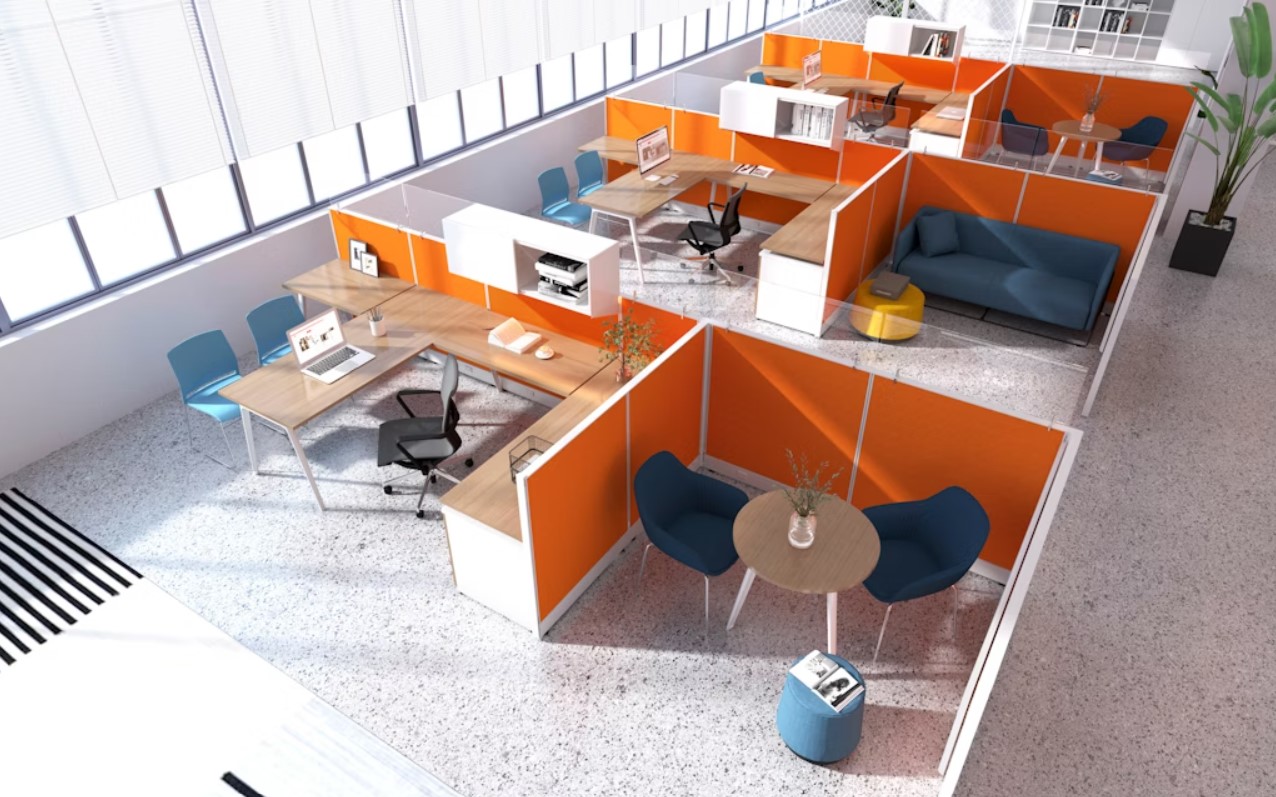
Understanding Different Work Styles
Individuals have distinct work styles that influence their preferences for their workspace. Some common work styles include:
- The Traditionalist: Traditionalists thrive in structured environments with clear hierarchies and defined roles. They often prefer a classic and formal aesthetic.
- The Creative: Creatives require flexible and inspiring spaces that stimulate their imagination. They may benefit from vibrant colors, unconventional layouts, and collaborative areas.
- The Tech-Savvy: Invest in high-quality and ergonomic commercial office furniture that is both functional and aesthetically pleasing. This includes ergonomic chairs, desks, and monitors to prevent discomfort and fatigue associated with prolonged computer use.
- The Collaborative: Collaborative workers value open and collaborative spaces that facilitate teamwork and idea sharing. They may benefit from shared work areas and flexible seating arrangements.
Designing for the Traditionalist
For traditionalists, a structured and organized office environment can be conducive to productivity. Consider the following design elements:
- Clear and Defined Layout: A well-organized layout with clear pathways and designated work areas can help traditionalists feel more grounded and focused.
- Classic Aesthetics: Incorporate timeless and classic design elements, such as traditional furniture, warm colors, and natural materials, to create a familiar and comfortable atmosphere.
- Private Spaces: Provide private offices or quiet zones where traditionalists can retreat for focused work or confidential conversations.
Designing for the Creative
Creatives require a workspace that sparks their imagination and inspires innovation. Consider these design elements:
- Inspiring Ambiance: Create a stimulating atmosphere with vibrant colors, unique artwork, and inspiring views.
- Flexible Spaces: Incorporate flexible furniture and layouts that can be easily adapted to different creative tasks, such as brainstorming sessions or individual projects.
- Collaborative Areas: Provide collaborative spaces, such as open-plan areas or brainstorming rooms, where creatives can connect and share ideas.
Designing for the Tech-Savvy
Tech-savvy individuals need a workspace that supports their technological needs. Consider the following design elements:
- Ergonomic Furniture: Invest in ergonomic chairs, desks, and monitors to prevent discomfort and fatigue associated with prolonged computer use.
- Technology Integration: Ensure that the workspace is equipped with adequate power outlets, network connections, and charging stations for various devices.
- Minimalist Aesthetics: A minimalist approach can help to reduce distractions and create a clean and focused work environment.
Designing for the Collaborative
Collaborative workers benefit from open and inclusive workspaces that facilitate teamwork and idea sharing. Consider these design elements:
- Open-Plan Layouts: Create open-plan layouts that promote interaction and collaboration among team members.
- Flexible Seating Arrangements: Provide a variety of seating options, such as lounge chairs, high-top tables, and collaborative workspaces, to accommodate different work styles and group sizes.
- Collaboration Tools: Equip the workspace with whiteboards, collaboration software, and other tools that facilitate brainstorming and idea sharing.
Creating a Hybrid Workspace
Many offices accommodate employees with diverse work styles. To create a hybrid workspace that caters to various needs, consider the following:
- Flexible Furniture and Design: Incorporate flexible furniture, such as adjustable desks and modular workstations, that can be easily adapted to different work styles and tasks.
- Zones for Different Activities: Create designated zones within the office for specific activities, such as focused work, collaboration, and relaxation. This allows employees to choose the environment that best suits their needs at any given time.
- Natural Lighting: Maximize natural light by using large windows and skylights. Natural light has been shown to improve mood, concentration, and overall well-being. Additionally, consider using a mix of natural and artificial office lighting to create a balanced and comfortable environment throughout the day.
Find the Right Office Aesthetic for Your Phoenix Office
By thoughtfully considering the various design elements that cater to different work styles, you can create an office aesthetic that fosters productivity, inclusivity, and employee satisfaction. Remember to prioritize the needs of your employees and create a workspace that inspires and empowers them to succeed.
For expert assistance in designing your office aesthetic to accommodate diverse work styles, visit Salt Creek Office Furniture in Phoenix, AZ. Our team of professionals can help you select the right commercial office furniture and décor to create a space that reflects your company’s unique culture and values. You can also utilize our room planner or scroll through our trending wall to find more inspiration.