


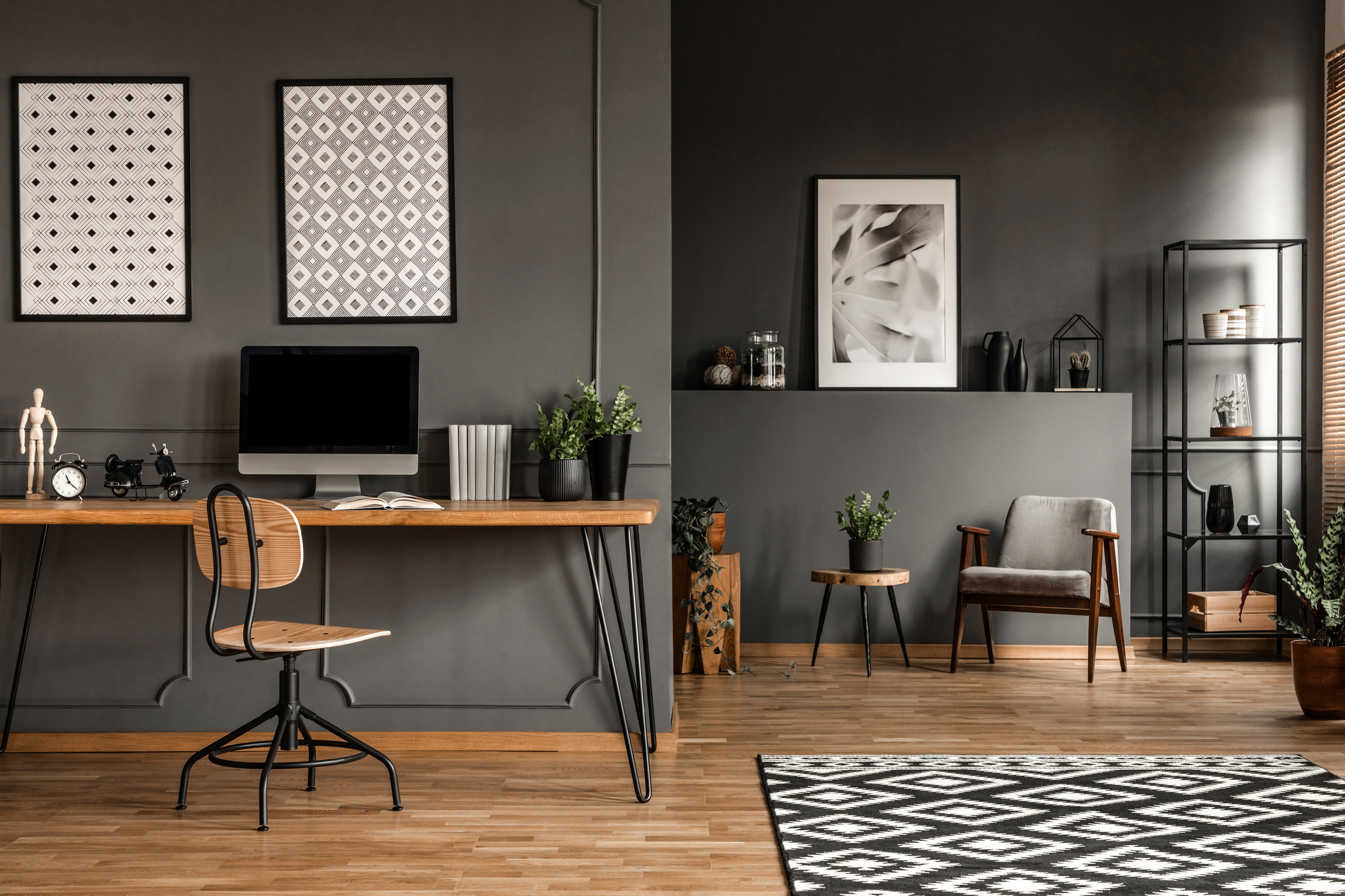
Open floor plans offer spaciousness and flexibility, but without the help of walls, furniture placement can become tricky. The key to making the most of your space is knowing how to arrange your furniture in a way that feels both functional and open. Here are some helpful tips to master furniture placement in your open floor plan.
Understand Your Space and Its Purpose
Before jumping into arranging your furniture, take time to assess the room. Consider the size, shape, and layout. Are there windows or doors that influence the flow of the room? Recognizing these features will help you determine the best spots for furniture.
Define Purpose and Sections
Think about the purpose of each section. For example, if you have a combined living and dining room, you’ll want to create separate zones without blocking the flow. A large sectional can define the living area, while a dining table can anchor the eating space. You can explore Salt Creek Home Furniture’s dining collection to find the perfect dining set for your open space.
Define Zones Without Blocking the Flow
One of the main challenges in an open floor plan is creating different zones—such as the living, dining, and even workspaces—without using walls. The solution? Let your furniture do the work.
Use Furniture to Separate Spaces
Start by placing larger pieces like a sectional sofa or entertainment center in the middle of the room to define the living space. This allows for natural separation without closing off the area. Meanwhile, a dining table positioned in another section of the room can help establish the eating area. You might also use smaller pieces, like chairs or benches, to subtly divide spaces without blocking movement. The goal is to maintain a sense of openness while keeping each area distinct.
Create a Focal Point for Each Zone
In an open floor plan, a focal point helps each space feel intentional and organized. It could be a piece of furniture, a feature in the room, or even artwork that draws attention.
Positioning Furniture Around Focal Points
For example, in the living area, the focal point might be the sofa or entertainment center. Arrange the seating around this element to make it the center of attention. The dining table naturally becomes the focal point of the dining area, and it’s helpful to position lighting, such as a pendant light, above it to enhance its presence. Whether it’s a TV or a large coffee table, each zone should have something that serves as the main point of focus.
Keep Sight Lines Open
Maintaining open sight lines is one of the best things about an open floor plan. To avoid overcrowding the space, try not to place large pieces of furniture in the middle of the room. Instead, keep taller items—like bookshelves or cabinets—against the walls. Using low-profile furniture such as coffee tables, ottomans, or slim side tables helps maintain a sense of space.
Maximize Room Flow
Also, be mindful of the flow of the room. Ensure there’s enough room between furniture pieces and walking areas. Ideally, there should be a clear path to navigate through the room without any obstacles. This helps keep the space feeling light and airy.
Maximize Function with Multi-Functional Furniture
In an open floor plan, every piece of furniture should work hard to earn its place. Multi-functional furniture is perfect for maximizing your space and offering flexibility.
Choose Versatile Pieces
For instance, a storage ottoman serves as both extra seating and a place to store items. A sofa bed can double as seating during the day and provide a bed for guests at night. Even storage benches can be placed in hallways or entryways to offer additional seating and storage. Salt Creek Home Furniture offers a wide range of practical, stylish furniture pieces for your living room, including functional ottomans and sofas that suit a variety of needs.
Balance the Scale of Your Furniture
In an open floor plan, it’s important that your furniture fits the scale of the room. If the pieces are too large for the space, it can make the room feel cramped. On the other hand, if the furniture is too small, the room might feel empty and incomplete.
Mix Large and Small Pieces
For larger rooms, choose bigger pieces, such as a sectional sofa, to fill the space appropriately. In smaller areas, opt for more compact pieces like a slim dining table or smaller armchairs. By balancing the scale of your furniture, you ensure the room feels well-proportioned and comfortable.
Ensure Easy Flow and Movement
An open floor plan is all about creating an easy, smooth flow between different areas. Make sure that there is enough space between furniture to allow for comfortable movement.
Maintain Movement and Comfort
Aim for at least 18 inches of space between pieces of furniture and walkways. This allows people to move around freely without bumping into anything. Avoid pushing everything against the walls, as this can make the space feel more disconnected. Instead, keep furniture closer together in key areas to encourage conversation and interaction while still leaving room for movement.
Add Texture and Color for Visual Interest
Open spaces can feel cold or bland without the right mix of textures and colors. By adding these elements, you can create a dynamic, welcoming environment. Mix soft textures—like plush sofas and cushions—with harder materials, such as metal or wood.
Create a Dynamic Look
Stick to a cohesive color scheme to tie everything together, but don’t be afraid to use bold accents like throw pillows, rugs, or statement furniture pieces to create visual interest. A colorful ottoman or a textured rug can act as a focal point while adding personality to your open space. Explore Salt Creek Home Furniture’s ottomans and other living room pieces to add both functionality and flair to your home.
Use Lighting to Highlight Different Areas
Lighting plays a key role in creating a welcoming, functional open floor plan. It can highlight focal points, define spaces, and set the mood.
Layer Lighting for Effect
In the living area, mix ambient lighting like floor lamps with task lighting such as table lamps. Over the dining table, add a pendant light or chandelier to clearly define the eating area. If you have a workspace or reading nook, task lighting like a desk lamp can brighten the area without taking away from the rest of the room.
Using layered lighting throughout the space will make each area feel distinct while keeping the entire room inviting and warm.
Proper furniture placement in an open floor plan is essential to making the space feel functional and stylish. By understanding how to define zones, create focal points, and maintain flow, you can maximize your space’s potential.
Looking to refresh your space? Explore Salt Creek Home Furniture for a wide selection of living room, dining room, and entertainment furniture to suit any open floor plan. Visit our living room collection to find the perfect pieces for your home or check out our entertainment options to complete your open space.